How Healthy Soil Nourishes Humanity: The Unseen Link Between Soil and Nutrition
Updated: Jun 26, 2025
Introduction: A Crisis Hidden Beneath Our Feet
In a world where supermarket shelves are overflowing and calorie counts are higher than ever, a paradox persists: we are well-fed yet undernourished. Modern diets, despite their abundance, are leaving us starved of essential nutrients, leading to an epidemic of chronic diseases, fatigue, and poor health. Why is this happening? The answer lies beneath our feet: in the soil.

As Vandana Shiva once said, “In nature’s economy, the currency is not money; it is life.” The life within our soil—its microbes, organic matter, and minerals—forms the foundation of our food’s nutritional value. Healthy soil produces nutrient-dense food, while degraded soil leads to nutritionally void crops. The consequences of this imbalance ripple through every bite we take, affecting both our health and the planet.
The Problem: Poor Soil, Poor Nutrition
Modern Agriculture: A Nutritional Desert
Modern agriculture, dominated by monoculture farming, synthetic fertilizers, and heavy pesticide use, prioritizes yield over quality. This approach depletes soil of its natural fertility, stripping it of essential nutrients and the microbial diversity necessary for healthy plants. The result? Crops that look perfect on the outside but lack the vitamins, minerals, and antioxidants that our bodies need.

Research has shown that the nutritional content of fruits and vegetables has declined significantly over the past 50 years. For example, a study published in the Journal of the American College of Nutrition found that levels of key nutrients like calcium, iron, and vitamin C in crops have dropped by as much as 50% since the mid-20th century. This decline is directly linked to soil degradation and the loss of biodiversity in agricultural systems.
The Hidden Cost of Convenience
The reliance on processed and convenience foods exacerbates the issue. These foods are often made from crops grown in nutrient-poor soils and are further stripped of their nutritional value during processing. While they may fill our stomachs, they fail to nourish our bodies, contributing to a rise in diet-related illnesses like diabetes, heart disease, and obesity.
The Solution: Building Health from the Ground Up
Healthy Soil Equals Healthy Food
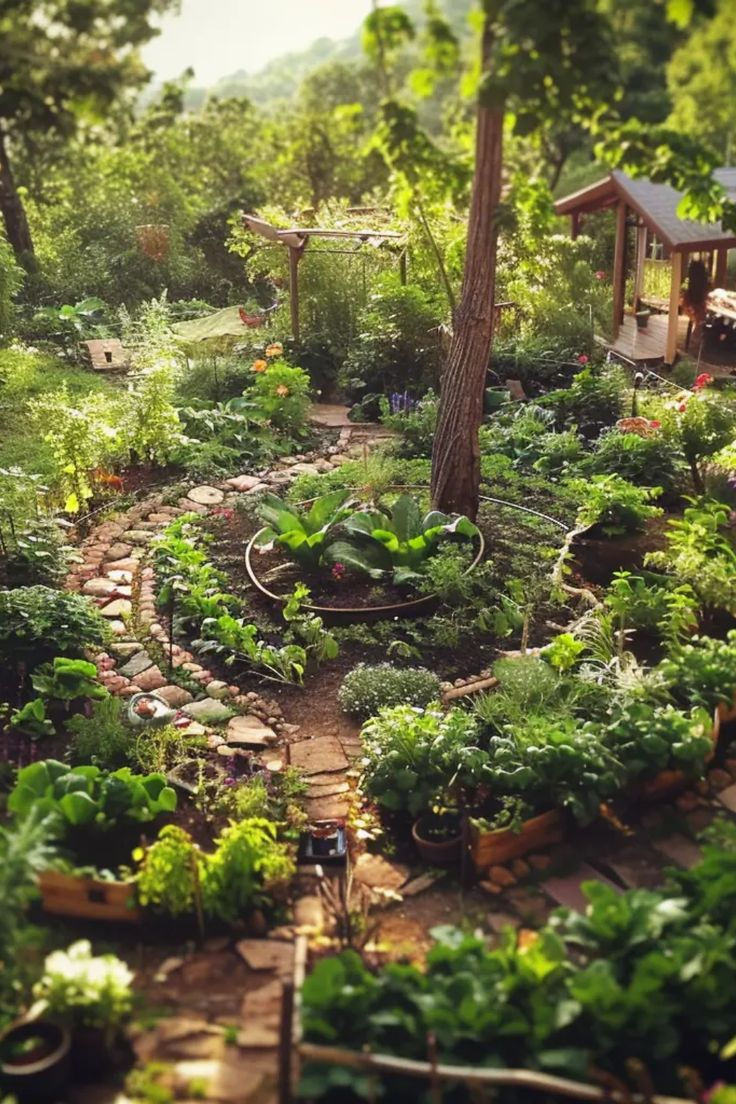
Healthy soil is teeming with life. It’s a dynamic ecosystem of microorganisms, organic matter, and minerals working together to create the perfect environment for plant growth. When soil is alive and thriving, it passes its vitality on to the plants growing in it, resulting in food that is rich in nutrients and flavor.
Dr. Elaine Ingham, a leading soil microbiologist, explains that a thriving soil food web—the network of bacteria, fungi, protozoa, and other organisms in the soil—is essential for nutrient cycling. These microorganisms break down organic matter and minerals, making nutrients available to plants in a form they can absorb. Without them, plants cannot access the full spectrum of nutrients they need to grow and thrive.

Benefits of Nutrient-Dense Food
Food grown in healthy, organic soil offers an array of unparalleled benefits:
1. Higher Nutritional Value
Nutrient-dense foods provide significantly more vitamins, minerals, and antioxidants compared to their conventionally grown counterparts. For instance, organic produce has been shown to contain up to 60% more antioxidants. These compounds are essential for combating oxidative stress, reducing inflammation, and supporting overall health.
2. Improved Taste
Nutrient-rich produce isn’t just healthier—it tastes better. Many people report that fruits and vegetables grown in organic, healthy soil are more flavorful. This enhanced taste is due to the higher concentration of natural sugars, essential oils, and phytonutrients, which thrive in nutrient-dense plants.
3. Reduced Toxins
Conventional farming often relies on synthetic pesticides, herbicides, and fertilizers, leaving residues on the food we consume. In contrast, food grown in organic soil using natural methods is free from harmful chemicals, ensuring a cleaner, safer option for your plate.
4. Disease Prevention
A diet rich in nutrient-dense foods supports your immune system and reduces the risk of chronic diseases. For example, foods high in antioxidants and phytonutrients can lower the risk of conditions such as heart disease, diabetes, and certain cancers. Additionally, minerals like magnesium and zinc—often lacking in conventionally grown food—play critical roles in maintaining strong immune function and metabolic health.
5. Long-Term Wellness
Consuming nutrient-dense food isn’t just about immediate benefits; it’s an investment in your long-term health. Regularly eating food grown in healthy soil supports bone density, brain function, and cardiovascular health, setting the foundation for a vibrant, disease-free life.
6. Environmental and Ethical Benefits
Choosing nutrient-dense food from regenerative farming practices not only benefits your health but also supports environmental sustainability. Healthier soil sequesters more carbon, reduces water runoff, and promotes biodiversity, aligning with ethical consumption and global ecological restoration.
Historical Lessons: Wisdom from the Past
Indigenous Practices
Indigenous communities around the world have long understood the importance of healthy soil. Their agricultural systems were deeply intertwined with the natural world, relying on regenerative practices to ensure sustainability for future generations.
Native American Food Forests
Native American tribes in North America cultivated food forests—diverse ecosystems combining trees, shrubs, and crops that mimicked natural landscapes. These forests were designed to provide a year-round supply of food while maintaining soil fertility. By incorporating nitrogen-fixing plants, layering crops for maximum productivity, and leaving areas undisturbed to regenerate naturally, these food forests created a balanced and self-sustaining ecosystem.
Terra Preta of the Amazon
The lost civilizations of the Amazon created terra preta, or “dark earth,” a highly fertile soil enriched with biochar, compost, and organic waste. Unlike typical tropical soils, which are prone to nutrient leaching, terra preta retained its fertility for centuries. Modern farmers in the region still benefit from this ancient practice, highlighting its enduring relevance.
African Farming Traditions
In West Africa, indigenous farmers developed techniques such as planting crops in circular mounds and intercropping millet with legumes to enhance soil fertility and reduce erosion. These methods promoted nutrient cycling and minimized the need for external inputs, showcasing a deep understanding of ecological balance.
Indigenous Australian Land Management
Aboriginal Australians practiced "fire-stick farming," a method of controlled burns to rejuvenate the soil, encourage new plant growth, and attract grazing animals. This technique not only sustained the land but also ensured the availability of nutrient-rich food sources.
By studying and embracing these time-tested practices, modern agriculture can learn to work with nature rather than against it, restoring soil health and improving nutrition worldwide.
DIY Steps to Healthier Soil and Food
Composting: Nature’s Recycling System
Composting is one of the simplest ways to improve soil health. By recycling kitchen scraps, yard waste, and other organic materials, you can create rich, nutrient-packed compost to nourish your garden. Here’s how to get started:
Collect vegetable peels, coffee grounds, and yard clippings in a compost bin.
Maintain a balance of green materials (nitrogen-rich) and brown materials (carbon-rich).
Turn the pile regularly to aerate it and speed up decomposition.
Apply the finished compost to your garden to boost soil fertility.
Mulching: Protect and Nourish
Mulching your soil with organic materials like straw, wood chips, or leaves helps retain moisture, regulate temperature, and slowly release nutrients into the soil. This simple practice mimics nature’s way of protecting and enriching the ground.
No-Till Gardening: Preserve the Soil Food Web
Tilling disrupts the delicate balance of the soil food web, killing beneficial microorganisms and fungi. By adopting no-till practices, you can preserve soil structure and enhance its natural fertility. Simply plant directly into the soil, using compost and mulch to nourish your crops.
The Global Perspective: Soil Health Is Universal
While climate and geography influence farming techniques, the principle remains the same: food grown in healthy soil is better for us. Whether in Ireland’s cold temperate climate or a tropical rainforest, nutrient-dense food begins with vibrant, living soil. By adopting regenerative practices, we can improve the health of our soil, our food, and ourselves, no matter where we live.
Conclusion: A Call to Action
The connection between soil health and human nutrition is clear: if we want to nourish ourselves and future generations, we must start with the soil. Regenerative practices like composting, mulching, and no-till gardening empower us to heal the earth while improving our health.
At Earthling.com, we’re passionate about supporting your journey to healthier soil and better nutrition. Join us for more information, training, and eco-friendly products to help you grow your own nutrient-dense food. Together, we can build a healthier, more sustainable future—from the ground up.

Comments