Sweet cicely
€9.95
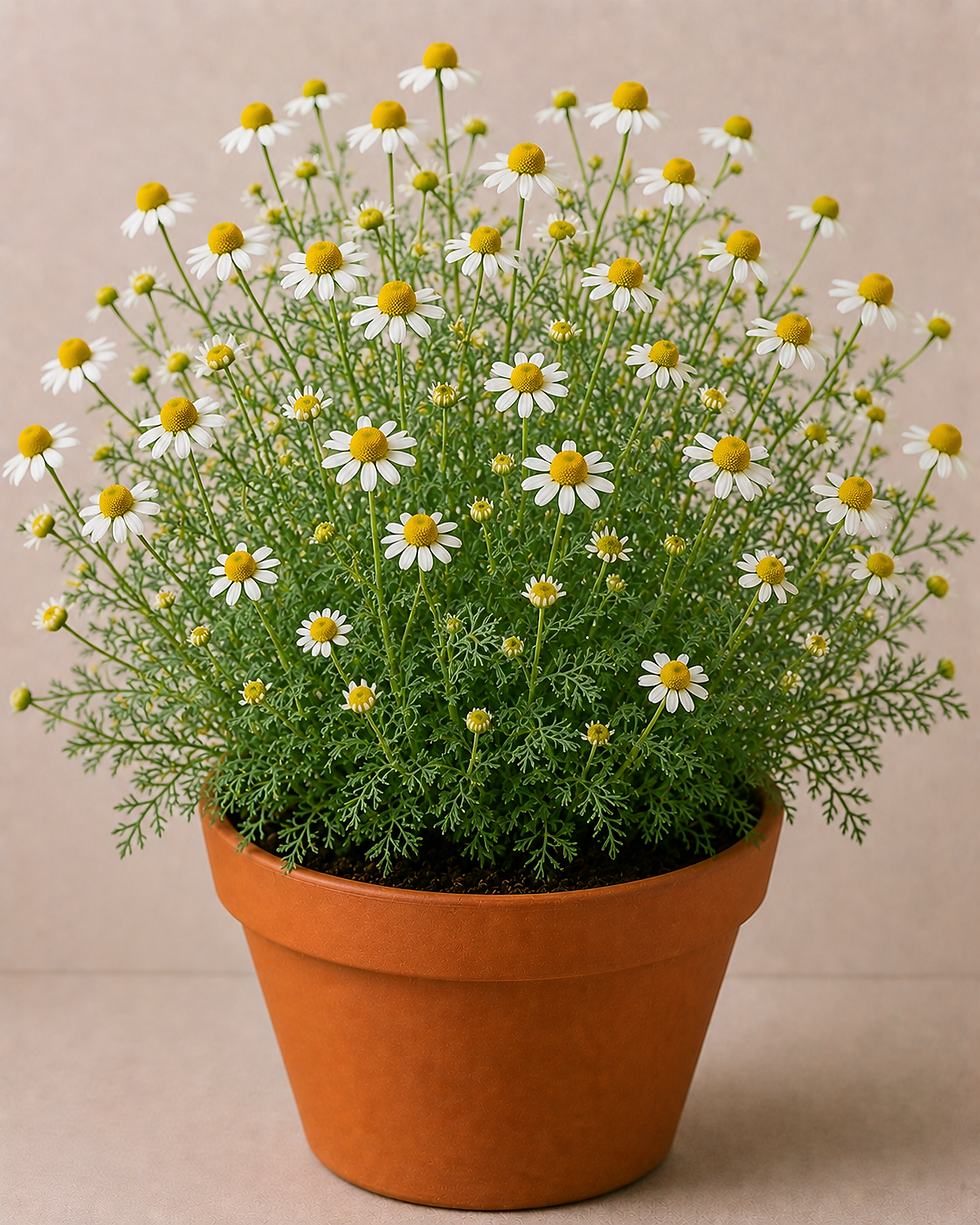
Sweet Cicely (Myrrhis odorata) is a hardy herbaceous perennial herb that typically reaches 60–120 cm tall, forming soft, fern-like green leaves and graceful umbels of small white flowers in late spring to early summer. The leaves, flowers, seeds, and roots are edible, with a naturally sweet aniseed flavour that pairs beautifully with fruit, desserts, herbal teas, salads, soups, sauces, and savoury dishes. Sweet Cicely is easy to grow and is ideal for gardeners of all experience levels, providing early edible herbs, delicate ornamental foliage, pollinator-friendly flowers, and natural sweetness for herb gardens, forest gardens, edible borders, woodland edges, and permaculture plantings.
Sweet Cicely thrives in partial shade to full sun and prefers moist, fertile, well-drained soil enriched with organic matter. It is fully hardy in Ireland’s cool temperate climate and is especially valuable in lightly shaded gardens where many culinary herbs may struggle. Its early growth, aromatic edible leaves, beneficial insect value, and ability to self-seed gently make it an excellent choice for resilient edible landscapes, wildlife-friendly gardens, and low-maintenance perennial food systems.
Quantity
Only 1 left in stock
Growing Instructions
Plant in partial shade or full sun in moist, well-drained, fertile soil enriched with compost or well-rotted organic matter. Water regularly during dry spells, especially while establishing young plants, and apply a mulch of compost, leaf mould, or woodchip each spring to retain moisture, feed the soil, and keep the roots cool.
Harvest young leaves, flowers, green seeds, and roots as needed, using the leaves fresh for the best flavour. Remove faded flower heads if you wish to limit self-seeding, or allow some seeds to mature if you would like Sweet Cicely to naturalise gently. Its sweet aniseed flavour, edible leaves and seeds, pollinator-friendly flowers, and shade tolerance make it perfect for herb gardens, forest gardens, woodland edges, edible borders, and permaculture systems seeking useful perennial herbs for cooler, shaded spaces.