Oxeye Daisy
€4.95
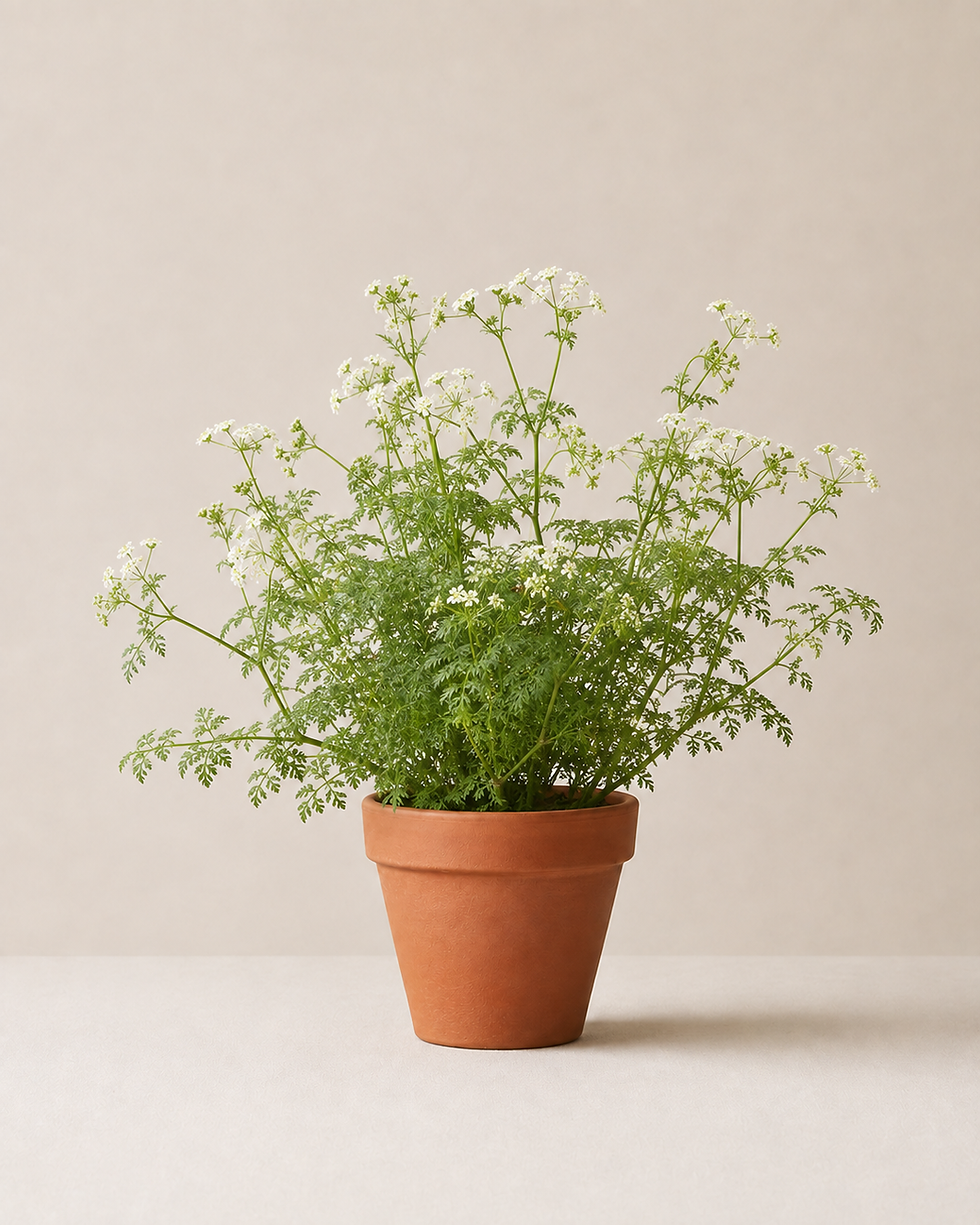
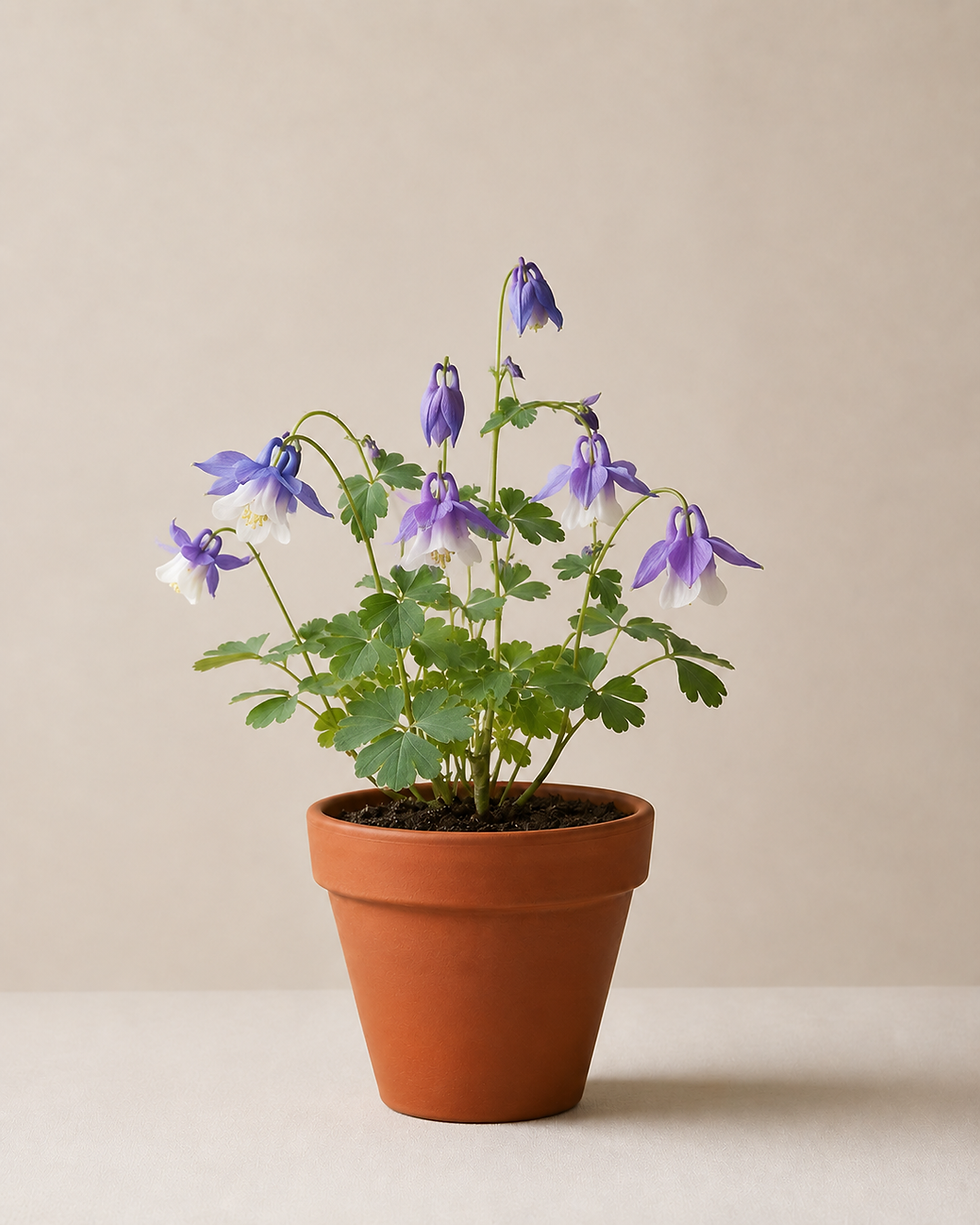
Oxeye Daisy (Leucanthemum vulgare) is a hardy herbaceous perennial wildflower, offered here as a young potted plant in a small to medium pot, forming clumps of spoon-shaped leaves and upright stems reaching 30 to 80 cm tall. From late spring through summer it bears classic white-petalled, gold-centred daisy flowers that draw bees, butterflies and hoverflies in abundance. The young leaves, buds and petals can be used sparingly in salads or teas, though it is grown chiefly for its cheerful flowers and wildlife value. Tolerant of poor, sandy or grassy ground once established, it naturalises readily in meadow-style plantings. A reliable choice for wildflower meadows, cottage borders and wildlife gardens throughout Ireland and the UK.
Quantity
Only 1 left in stock
Growing Instructions
Plant in full sun to partial shade in well-drained soil; established plants tolerate poor or grassy ground without extra feeding. Water regularly while young plants settle in, and avoid rich soil, which favours leafy growth over flowers. Deadhead to prolong flowering, or leave some heads to set seed if you want the daisies to spread naturally through a meadow area. Divide congested clumps every few years to keep them flowering well.