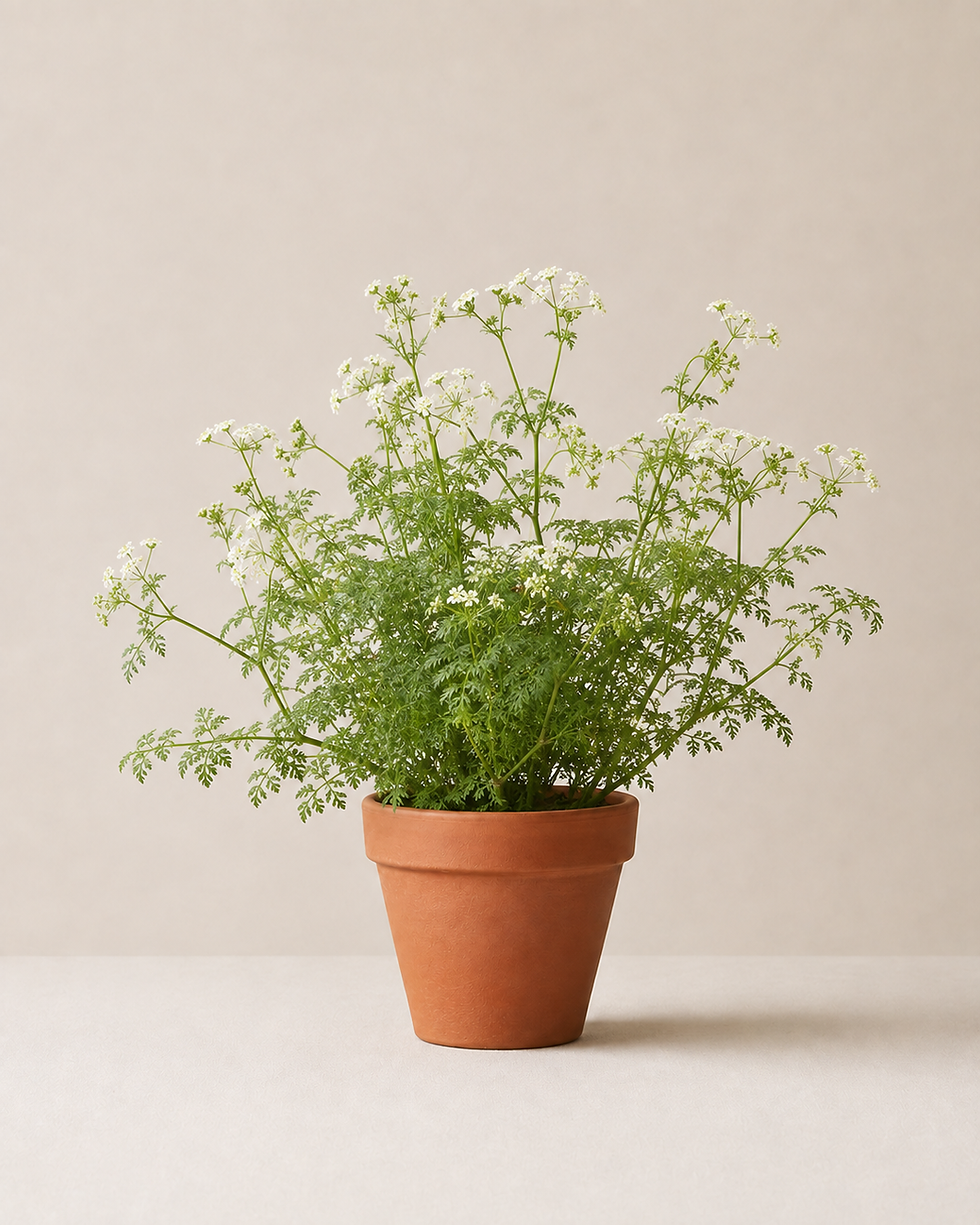
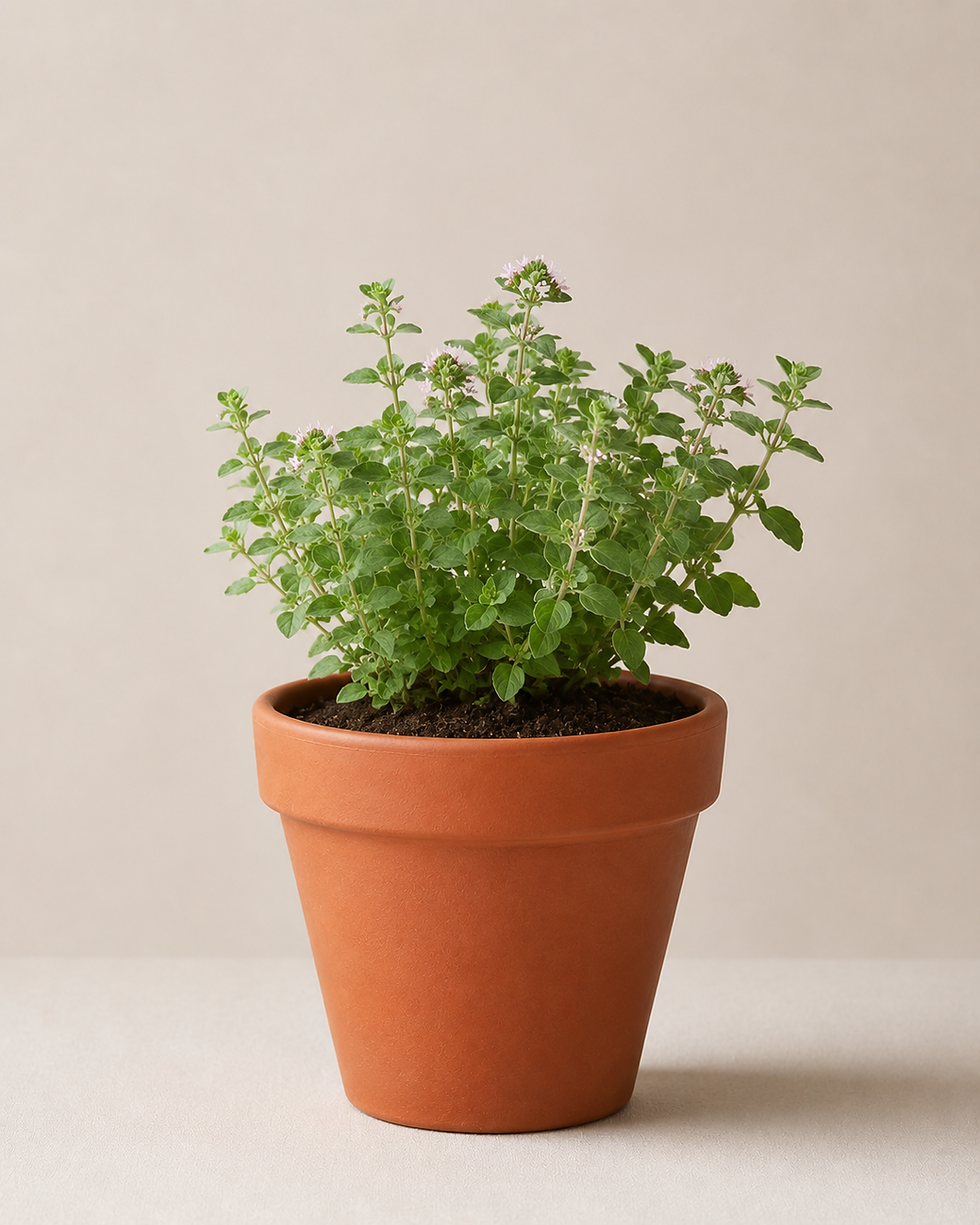
Hyssop
€2.95
Hyssop (Hyssopus officinalis) is offered here as a small potted plant, a hardy aromatic perennial forming neat, upright clumps of narrow green leaves 40 to 70cm tall. From midsummer it produces spikes of vivid blue-purple flowers, occasionally pink or white, that are a magnet for bees, butterflies and hoverflies. The leaves and flowers are edible, with a strong, minty, slightly bitter flavour used sparingly in soups, stews, marinades and herbal teas. Tolerant of poor, dry and stony ground once established, Hyssop is a resilient, low-maintenance herb well suited to sunny herb gardens, rockeries and pollinator-friendly borders throughout Ireland and the UK.
Quantity
Only 6 left in stock
Growing Instructions
Grow in full sun in well-drained soil, adding compost if the ground is poor, and avoid heavy or waterlogged conditions especially in winter. Water regularly while young plants establish; once settled, Hyssop is drought tolerant and needs little feeding. Harvest young leaves and flowering tops as needed, using sparingly fresh or dried. Cut back lightly after flowering to keep growth compact and remove dead stems in spring.