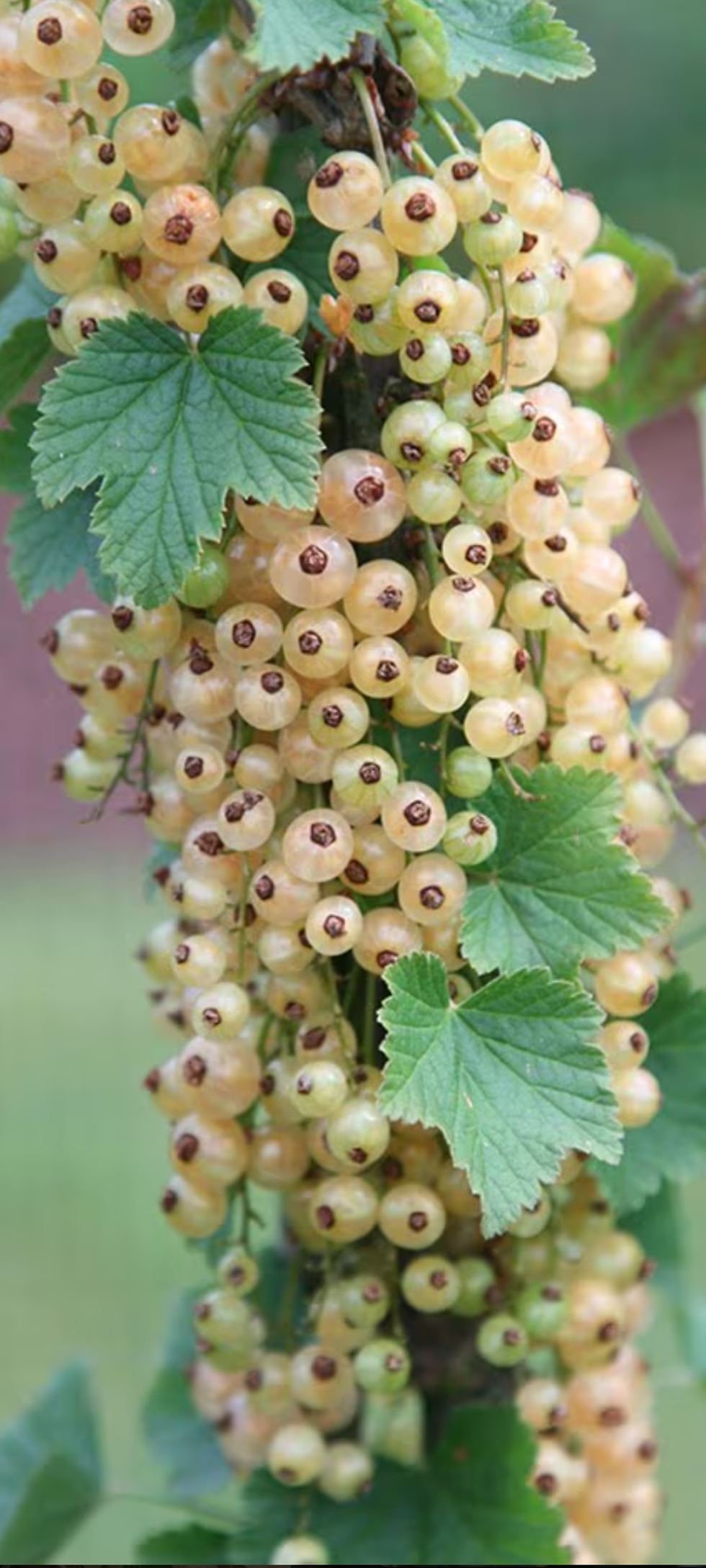
Wineberry
€14.95
Japanese Wineberry (Rubus phoenicolasius) is a hardy deciduous fruiting shrub that typically reaches 1.5–2.5 m tall, producing arching, reddish stems covered in fine bristles and attractive green leaves with silvery undersides. In summer, it produces small pale flowers followed by glossy, jewel-like red berries enclosed in sticky red calyces before ripening. The fruits are edible and have a sweet, bright, raspberry-like flavour, excellent for eating fresh or using in jams, sauces, desserts, smoothies, fruit salads, baking, and preserves. Japanese Wineberry is easy to grow and is ideal for gardeners of all experience levels, providing unusual edible fruit, ornamental stems, pollinator-friendly flowers, and wildlife value in edible hedges, forest gardens, fruit borders, wildlife gardens, and permaculture plantings.
Japanese Wineberry thrives in full sun to partial shade and prefers moist, well-drained, fertile soil enriched with organic matter. It is fully hardy in Ireland’s cool temperate climate and grows well in sheltered gardens, woodland edges, and food forest systems. Like other Rubus species, it can spread and root where arching stems touch the ground, making it useful for productive thickets or edible hedging when given space. Its delicious berries, vigorous growth, ornamental bristly stems, and low-maintenance nature make it an excellent choice for resilient edible landscapes and biodiversity-friendly fruit production.
Quantity
Only 1 left in stock
Growing Instructions
Plant in full sun or partial shade in moist, well-drained, fertile soil enriched with compost or well-rotted organic matter. Provide space for the arching stems to grow, or train them along a fence, wires, or informal support for easier harvesting. Water regularly during dry spells, especially while establishing young plants and during fruit development, and apply a mulch of compost, leaf mould, or woodchip each spring to retain moisture, suppress weeds, and nourish the soil.
After fruiting, cut out old fruited canes at ground level and tie in or retain strong new canes for the following year’s crop. Remove unwanted rooted tips or suckers if you wish to control its spread, or allow it to naturalise in a suitable edible hedge or wildlife area. Its sweet red berries, pollinator-friendly flowers, ornamental stems, and vigorous easy-care habit make it perfect for forest gardens, edible hedges, fruit borders, wildlife gardens, and permaculture systems seeking unusual perennial soft fruit.