Alexanders
€6.95
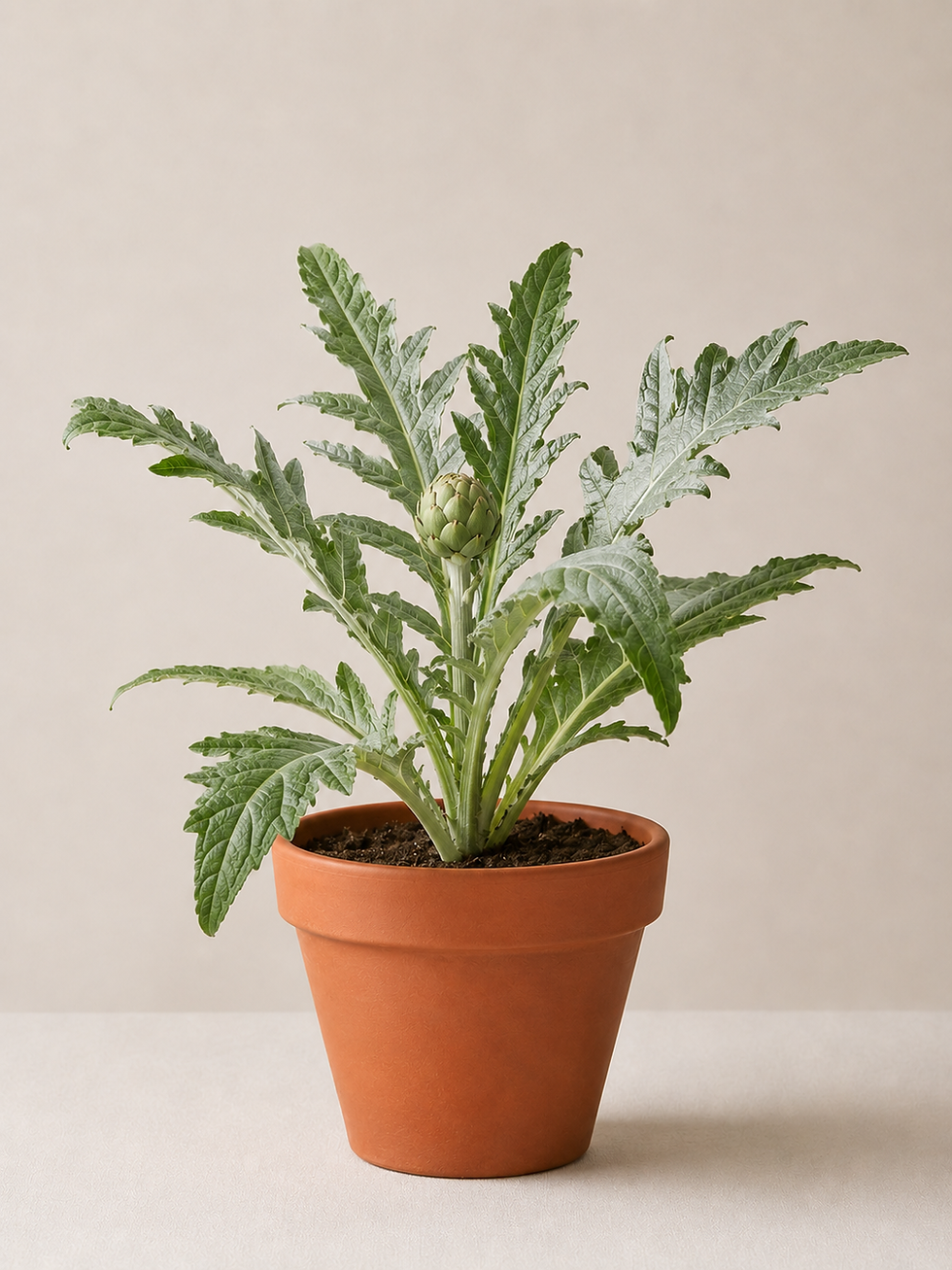
Alexanders (Smyrnium olusatrum) is a hardy, short-lived perennial or biennial edible plant that typically reaches 80–150 cm tall, forming lush clumps of glossy green leaves and sturdy flowering stems. In spring, it produces rounded umbels of yellow-green flowers that are highly attractive to early pollinators, followed by aromatic black seeds later in the season. Entirely edible, the young shoots, leaves, flower buds, stems, roots, and seeds can all be used in the kitchen, with a distinctive flavour somewhere between celery, parsley, and angelica. Alexanders is easy to grow and is ideal for gardeners of all experience levels, providing early edible greens, strong architectural form, and excellent wildlife value in edible borders, forest gardens, coastal gardens, and permaculture plantings.
Alexanders thrives in full sun to partial shade and prefers moist, well-drained, fertile soil enriched with organic matter. It is fully hardy in Ireland’s cool temperate climate and is especially well suited to mild, coastal, and sheltered sites, though it will grow well inland where conditions are not too dry. Its early growth, edible versatility, pollinator-friendly flowers, and ability to self-seed gently make it a valuable plant for resilient edible landscapes and wildlife-friendly food systems.
Quantity
Only 6 left in stock
Growing Instructions
Plant in full sun or partial shade in moist, well-drained, fertile soil enriched with compost or well-rotted organic matter. Water regularly during dry spells, especially while establishing young plants, and apply a mulch of compost, leaf mould, or woodchip each spring to retain moisture, suppress weeds, and nourish the soil.
Harvest young shoots, leaves, flower buds, and tender stems in spring, using them raw in small amounts or cooked in soups, stews, stir-fries, gratins, and savoury dishes. Allow some plants to flower and set seed if you want them to naturalise, or remove spent flower heads to limit self-seeding. Its edible stems and leaves, aromatic seeds, early pollinator flowers, and low-maintenance nature make it perfect for forest gardens, edible borders, wildlife gardens, coastal plantings, and permaculture systems seeking productive, biodiversity-friendly perennial vegetables.