Edible Plants for a Shady Garden in a Cool Climate

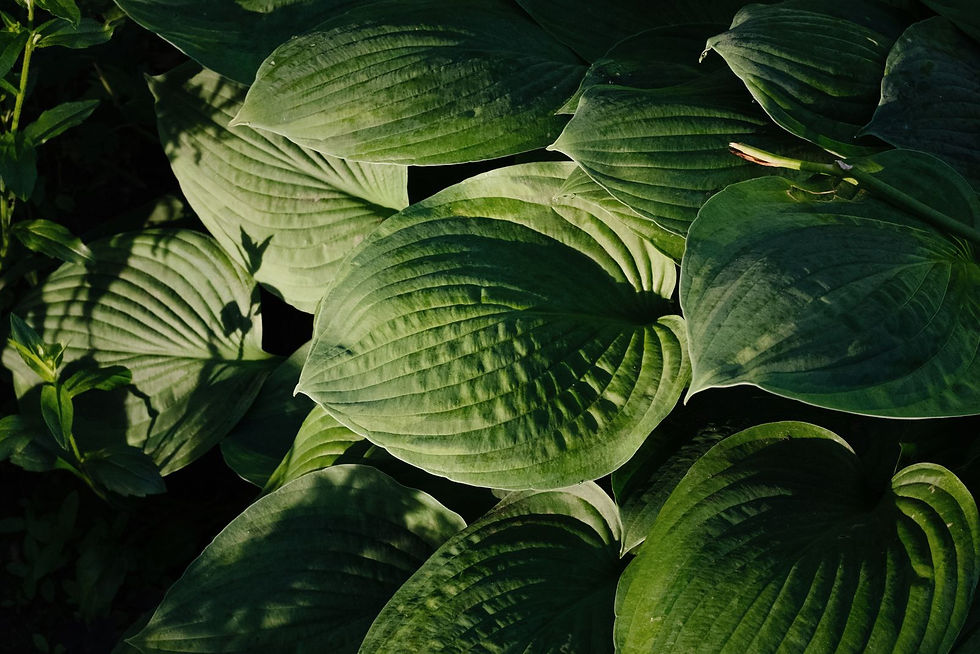
A shady garden can still feed you, as long as you grow the plants that came from woodland in the first place. Red and white currants crop on a north wall, gooseberries and blackcurrants are happy in part shade, alpine strawberries and sweet cicely want it, and rhubarb, sorrel, mint, lovage and hosta shoots all produce with three or four hours of sun. What shade will not give you is tomatoes, squash, beans or root crops, and no shade crop matches its full-sun yield. This guide covers fifteen edible plants we grow at the nursery that earn a place in a shady bed, how much shade each one takes, and how to make a dim corner more productive. It is written from Co. Wicklow, and shade is shade in any cool, wet climate from Cork to Copenhagen.
Short on time? A red currant trained flat against a north facing wall or fence is the most productive thing you can put in a sunless spot.
How Much Shade Is Too Much
Shade comes in grades, and the grade decides what you can grow. Dappled shade, under a deciduous tree or a tall hedge, lets through moving light all day and is the easiest to plant; most of the woodland-edge crops below evolved in exactly that. Part shade means three to five hours of direct sun, usually morning or evening, with bright light the rest of the day. A north facing wall with open sky above it is part shade in practice, because it gets a lot of indirect light even with no direct sun. Deep shade, under a conifer, an evergreen hedge or a building on three sides, grows very little that you would want to eat.
Measure before you plant. On a clear day in June, note where the sun lands at 9 am, noon and 5 pm. A bed that gets direct sun for a few hours at any point is part shade and will grow everything in this guide. One that never gets direct sun but has open sky is still worth planting with currants, sweet cicely and sorrel. One that is dark at noon in June should be given over to leaf mould and a compost heap. The long days of an Irish or Scottish summer help here: a part-shade bed gets sixteen or seventeen hours of daylight in June, and leaf crops make good use of all of it.
Why Some Plants Cope with Shade and Others Don't
A plant in shade has less energy to spend, so what it is making decides whether it copes. Leaves are cheap: a sorrel or a mint builds them from very little light, which is why leaf crops are the most shade tolerant group. Fruit costs more, so shade-grown fruit is smaller and later, but a bush from the woodland understorey, like a currant or a gooseberry, is built to manage it. Seeds and storage roots cost the most of all. That is why beans, sweetcorn, carrots and potatoes fail in shade: they are trying to pack energy away that the plant never captured.
The honest trade-offs are these. Fruit ripens two to three weeks later in shade and the crop is lighter, though it often tastes sharper and keeps longer on the bush. Growth is softer and more attractive to slugs. And a shady bed is nearly always a damp bed, which suits the plants below but means mulch and patrols at dusk, not slug pellets.
Fruit for Shade
Red and white currants (Ribes rubrum) are the champions. They crop well on a north wall, which is where Victorian gardeners put them to extend the season, and they are easy to train as cordons or fans against a fence. A white currant is the sweeter of the two and worth having alongside the red. Our guide to growing currants covers both.
Blackcurrants (Ribes nigrum) take part shade and still crop heavily, especially in the moist soil a shady bed usually has. A blackcurrant bush under a tall deciduous tree is a classic food forest pairing.
Gooseberries come from the same woodland family and tolerate shade as well as any fruit. In shade the fruit ripens later and stays tart, which is what you want for pies and fools. The gooseberry and its tough American cousin the worcesterberry both suit a north facing fence; our gooseberry guide has the pruning.
Alpine strawberries (Fragaria vesca) are woodland plants by origin and crop from June to October in dappled shade, with small, intensely flavoured fruit that supermarket strawberries never match. Alpine strawberries make a self-seeding edging along a shady path.
Hazel is a shade-tolerant tree in its own right; it grew as the understorey of Ireland's oak woods. An Irish hazel in the shade of taller trees still crops nuts, though more lightly than one in the open.
Leaves and Stems for Shade
Rhubarb is the first harvest of the year in a shady garden and one of the heaviest. It wants deep, rich, moist soil more than it wants sun, and a rhubarb crown in part shade will crop for fifteen years. Our rhubarb guide covers planting a crown as well as seed.
Sorrel (Rumex acetosa) is a perennial leaf with a sharp lemon flavour that is picked from March to November and goes into soups, sauces for fish and salads in small amounts. French sorrel is the milder form, and both bolt less in shade than in sun.
Good King Henry (Blitum bonus-henricus) is an old perennial spinach that was grown in cottage gardens for centuries before annual spinach replaced it. The young shoots in April are eaten like asparagus and the leaves through summer like spinach. Good King Henry prefers shade and moisture.
Sweet cicely (Myrrhis odorata) is a soft, aniseed-flavoured herb from damp northern woodland that sweetens stewed rhubarb and gooseberries enough to cut the sugar. Sweet cicely is one of the few herbs that prefers a north facing bed.
Lovage, mint and lemon balm all crop in part shade and all prefer the moisture that comes with it. Lovage gives you celery flavour from one plant, peppermint wants a pot to stop it running, and lemon balm makes tea and seeds about freely.
Hosta shoots are the surprise. In Japan, hostas are grown as a vegetable called urui, and the tightly rolled shoots cut in April, blanched for two minutes and dressed with butter or soy taste like a cross between asparagus and lettuce. Every hosta is edible as far as the sources we have found agree, and a variegated hosta in deep shade will give you a picking each spring and a handsome plant all summer. Take no more than a third of the shoots from any clump.
Roots and Flowers for Shade
Horseradish (Armoracia rusticana) grows in sun or part shade and is the one root crop that does not mind a dim corner, because it is a perennial building its root over years rather than a season. Grow horseradish in a large pot or a contained bed, since it spreads.
Violets and primroses are the edible flowers of the shady garden. Sweet violet flowers and young leaves go into salads and can be crystallised; primrose flowers decorate cakes and feed the first bumblebees in March. Both carpet the ground under fruit bushes and ask nothing. Our post on what to plant under a fruit tree shows how the layers fit together.

Making a Shady Bed More Productive
Add light before you add plants. Lifting the lower branches of a tree by 2 m, called crown lifting, can double the light under it without changing its shape. Painting a north facing wall or fence white or pale grey bounces light back onto the bed. Replacing a solid fence panel with a trellis lets light through for most of the day.
Then build the soil. Shady beds are usually damp and often full of tree roots, so pile on organic matter rather than digging: a 5 cm layer of leaf mould or compost every autumn, with a few comfrey plants at the back for chop-and-drop mulch. Plant in autumn or early spring so roots establish before the tree canopy above takes the summer water. And accept the slugs as a management job: a torch at dusk for the first month after planting does more than any pellet.
FAQ: Edible Plants for Shade
What fruit grows in shade? Red and white currants crop on a north wall, and blackcurrants, gooseberries, worcesterberries and alpine strawberries all crop in part or dappled shade. Expect fruit two to three weeks later and a lighter crop than in full sun, with a sharper flavour. Apples, plums, figs and grapes need sun and will not ripen in shade.
Can rhubarb grow in shade? Yes, in part shade it crops well, and some growers prefer it there because the stems stay tender for longer. Rhubarb needs deep, rich, moist soil far more than it needs sun. Full deep shade under conifers is too much, but three or four hours of sun or bright open shade is plenty.
What vegetables grow in full shade? Very few. In deep shade the only reliable crops are leafy perennials: sorrel, Good King Henry, mint, sweet cicely and hosta shoots, plus wild garlic if you can establish it. Everything else, including lettuce and spinach, needs at least a few hours of direct sun to produce a worthwhile crop.
Will a north facing garden grow anything edible? A great deal, if the sky above it is open. A north facing garden gets bright indirect light all day and often direct sun at the far end in summer. Currants, gooseberries, rhubarb, sorrel, mint, lovage, sweet cicely, alpine strawberries and hosta all crop in those conditions.
Are hosta leaves edible? Yes. Hostas are grown as a vegetable in Japan, where the spring shoots are called urui. The rolled young shoots are the part to eat, cut at 10 to 15 cm, blanched briefly and dressed. Mature leaves are tougher and less pleasant. Only eat hostas you have grown yourself without sprays, and leave two thirds of the shoots so the plant recovers.
Planting a Shady Bed
Earthling Plants grows every plant in this guide at our nursery in Co. Wicklow and ships across Ireland, the UK and the EU. If you are starting a shady bed from scratch, two currants, a gooseberry, a rhubarb crown, sorrel, sweet cicely and a dozen alpine strawberries along the front will fill 3 square metres and crop from April to October. The wider list of perennials that suit a cool climate is in our perennial vegetables guide.
Related reading: What to plant under a fruit tree · Perennial vegetables for Irish gardens · How to grow comfrey


Comments